GlycoBalance Review (2026)
TPBy the TrustedPurchaseReview Editorial Team
Disclosure: we do not earn a commission on GlycoBalance, and this page has no link to buy it. It links to other pages on our site that may contain affiliate links. Learn more.
Our verdict: 3/10
GlycoBalance is sold to “manage type 2” diabetes, but its label shows a 15.47 mg blend of 21 ingredients, under 1 mg per ingredient on average, plus 7 mcg of chromium. That label matches, ingredient for ingredient, Cognizil, a drop sold for memory. The sales page talks about “6 vital nutrients” in “optimal dosage”, uses an unnamed expert in a white coat, and shows testimonials about avoiding diabetes medication. Its terms of use are hosted on a Brazilian site and written for a product called Gluco Control. We do not recommend it.
Read this first if you have diabetes
GlycoBalance is a dietary supplement, and its own label says it is not intended to diagnose, treat, cure or prevent any disease. Do not reduce insulin, metformin or any other diabetes medicine because of a supplement or a testimonial. The label lists chromium, gymnema and Panax ginseng, which are sold for blood sugar, so talk to your doctor before taking it with diabetes medicine.
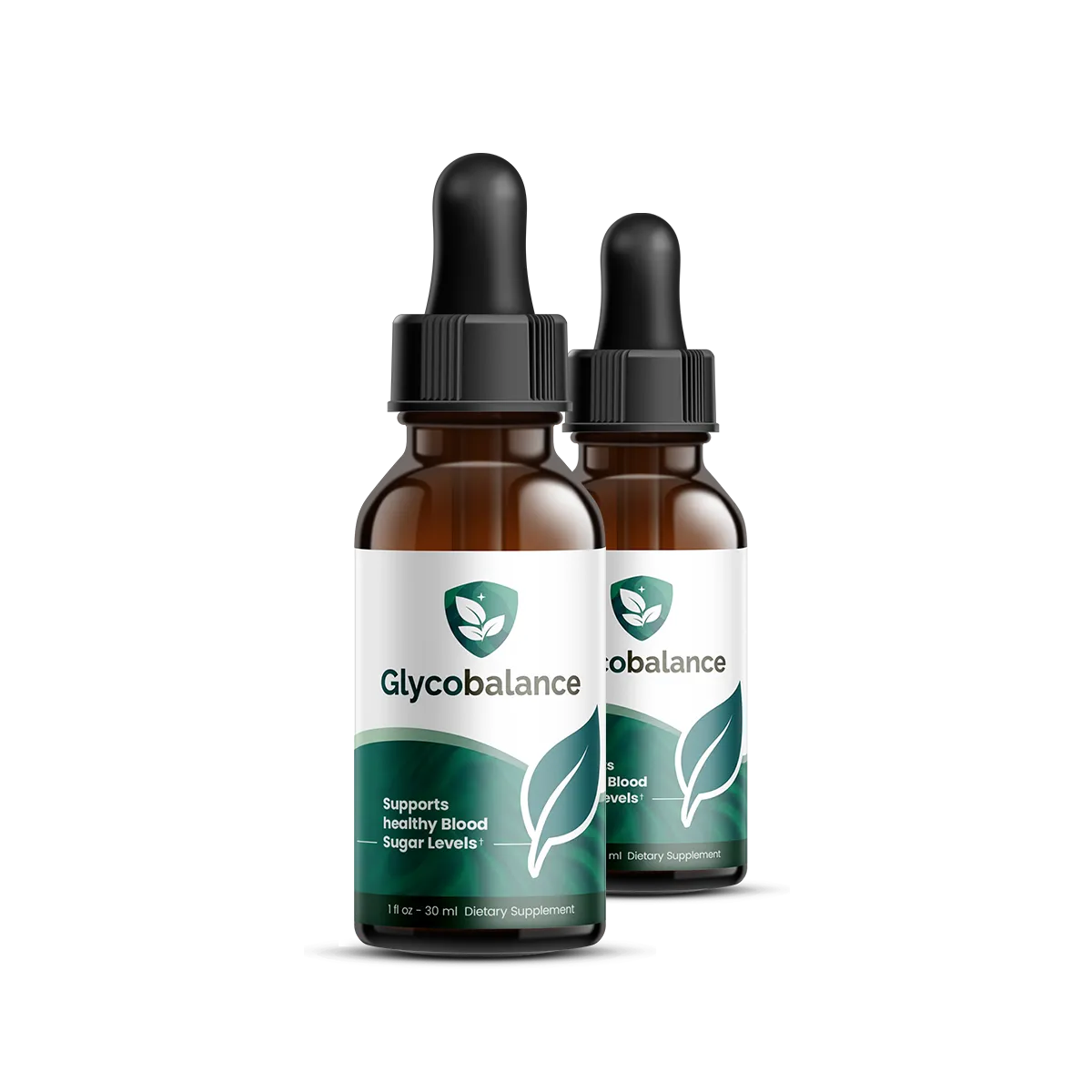
GlycoBalance is a liquid drop in a 30 ml bottle, sold for blood sugar support. We read the official sales page, its FAQ, the Supplement Facts image it publishes and the terms page linked in its footer. We did not buy or test the product. Here is what those pages show.
What Is GlycoBalance?
| Detail | What the label and official page say |
|---|---|
| Format | Liquid drops, 1 fl oz (30 ml) bottle |
| Serving | 1 ml (one dropperful) a day, 30 servings |
| Disclosed dose | Chromium 7 mcg, as chromium picolinate (20% of the Daily Value) |
| Proprietary blend | 15.47 mg, 21 ingredients |
| Other ingredients | Water, natural flavors, potassium sorbate, stevia, xylitol, citrus extract |
| Smallest order | 2 bottles for $158 plus shipping |
| Guarantee | 60 days from the date of purchase |
Who Is Behind GlycoBalance?
On the label. “Distributed by Gex Corporation LLP”, PO Box 12730, Ogden, Utah, with a phone number and a support email at customercs.com. Cognizil, the memory drop with the same formula, lists the same Ogden PO box on its label.
In the footer. The only footer link opens a terms page on lp.institutoexperience.com.br, a Brazilian domain. The page is titled “Terms-Gluco Control”, names “Gluco Control” in its affiliate rules and is signed “Instituto Experience 2024”. Where a US terms page would say the claims were not evaluated by the FDA, it says they were not evaluated by the “United States Loja Experience”. It also says the company may use “actors and/or voice actors” to present its products.
The same names behind Sugar Reset. Gex Corporation and Instituto Experience also appear behind Sugar Reset, a drop we score 6/10. Its label lists Instituto Experience, in Lakeland, Florida, as distributor, and its terms name GEX Corporation LLP as the site operator. The two scores differ because of the labels: Sugar Reset prints a 200 mg blend, GlycoBalance 15.47 mg. See our Sugar Reset review.
A PO box, a company name that appears only on the label, and terms written for a different product name. That is very little to go on for a supplement that costs up to $294.
The Label vs the Sales Page
| Topic | Sales page says | Label says |
|---|---|---|
| Number of ingredients | “6 vital nutrients” | Chromium plus 21 ingredients in the blend |
| Doses | “Strong ingredients in optimal dosage” | One 15.47 mg blend with no individual amounts |
| Ginseng | “Panax Ginseng Aerial Extract” | Panax ginseng root extract |
| Purpose | “The Easiest Way to Manage Type 2” | “Supports healthy Blood Sugar Levels”, not intended to treat any disease |
When the two disagree, trust the label. It is the document that has to describe what is in the bottle.
GlycoBalance Ingredients and Doses
The only printed dose is chromium, 7 mcg. Everything else sits in one 15.47 mg blend, in this order: maca root, African mango seed, grape seed, guarana seed, eleuthero root, astragalus root, green tea leaf, gymnema leaf, forskolin root, cayenne pepper fruit, grapefruit seed, Panax ginseng root, raspberry ketones, L glutamine, L tyrosine, L arginine, beta alanine, monoammonium glycyrrhizinate, GABA, L tryptophan and L carnitine.
Split evenly, 15.47 mg is about 0.74 mg per ingredient. Ingredients are listed from largest to smallest, so gymnema, in 8th place, can be at most about 1.9 mg. The label marks most herbs as concentrates of 20:1 or 10:1, but even if the whole blend were a 20:1 concentrate, it would equal at most about 309 mg of raw plant material, shared by all 21 ingredients. Our guide on what a proprietary blend hides explains the method.
| Ingredient | Most possible in GlycoBalance | Amounts used in studies |
|---|---|---|
| Chromium | 7 mcg | 200 to 1,000 mcg a day in blood sugar trials (our chromium guide) |
| Gymnema leaf | About 1.9 mg | 400 to 1,000 mg of extract a day (our gymnema guide) |
| Maca root (1st) | Under 15.47 mg | 1.5 to 3.5 g a day, mostly for sexual function (our Cognizil review) |
Chromium is the only printed dose. NIH puts adult needs at 20 to 35 mcg a day, so 7 mcg covers 20% to 35% of that, far below the amounts tested for blood sugar.
GlycoBalance Has the Same Label as Cognizil
| Label detail | GlycoBalance | Cognizil |
|---|---|---|
| Sold for | Blood sugar | Memory |
| Serving | 1 ml | 1 ml |
| Chromium | 7 mcg (20% DV) | 7 mcg (20% DV) |
| Proprietary blend | 15.47 mg | 15.47 mg |
| Ingredients in the blend | 21, maca first, L carnitine last | 21, same order |
| Other ingredients | Water, natural flavors, potassium sorbate, stevia, xylitol, citrus extract | Same |
| Label address | PO Box 12730, Ogden, Utah | PO Box 12730, Ogden, Utah |
One formula, two names, two promises. Our Cognizil review also found that Cognizil’s own reference list is about blood sugar, not memory, which suggests the formula was built for blood sugar first.
GlycoBalance is also often confused with Sugar Defender, Sugar Reset and Olivaro, which come in similar dropper bottles. Those three print a different, larger formula: a 200 mg blend of 22 ingredients with 0.7 mcg of chromium. Our Sugar Defender vs Sugar Reset vs Olivaro comparison covers that label.
The Sales Page Claims
- “The Easiest Way to Manage Type 2.” The headline speaks to people with type 2 diabetes. The label says the product is not intended to treat any disease.
- The expert. A man in a white coat holds the bottle next to a quote saying he examined “numerous supplements”. The page gives no name, credentials or license. The image file on the brand’s own site is named “expert john”.
- Gymnema “helps regenerate the pancreatic cells that produce insulin.” The NIH LiverTox entry describes gymnema’s effect in diabetes as unproven, and the label holds at most about 1.9 mg of it.
- Testimonials about medication. One review says that without GlycoBalance the writer would still be “spending a fortune on expensive diabetes medications”. The terms page says testimonials are “exceptional results” that do not reflect the typical buyer.
- Urgency. A 30 minute countdown, “while supplies last” and a claim that 96% of customers order 6 bottles.
- Bonus ebooks. The 3 and 6 bottle packs add 6 digital guides with titles like “Diabetes Freedom” and “Nerve Renew Guide”, priced at up to $67 each on the page.
GlycoBalance Pricing
| Package | Per bottle | Total | Shipping |
|---|---|---|---|
| 2 bottles (60 days) | $79 | $158 | Extra |
| 3 bottles (90 days) | $59 | $177 | Free in the US |
| 6 bottles (180 days) | $49 | $294 | Free in the US |
Prices from the official page on October 15, 2026. The 3 bottle box shows “$69 per bottle”, but the total it lists, $177, works out to $59. There is no single bottle option.
Guarantee and Refund Terms
The page offers a 60 day guarantee “from the date of purchase” and says to email contact@customercs.com if you are not satisfied “after at least 30 days of use”. The terms page says refunds follow a separate shipping and returns policy, but we found no link to that policy on the GlycoBalance site. The page does not say who pays return shipping, whether opened bottles qualify or where returns go.
GlycoBalance Reviews and Complaints
As of October 15, 2026, we found no independent customer reviews of GlycoBalance and no public complaints. Search results are crowded with similar names, such as Glyco Reset and Glyco Harmony, so check that a review is about the same bottle and label before you rely on it.
Is GlycoBalance Safe?
Caffeine. Guarana and green tea are on the label, with no caffeine amount, though the tiny blend limits how much there can be.
Medications. Chromium, gymnema and ginseng are all sold for blood sugar. NIH says chromium may add to the effect of insulin and other diabetes medicines. The label itself tells people with a medical condition to consult a physician first.
Who should not take it. The label says it is not for anyone under 18 or for pregnant or nursing women.
Pros and Cons
Pros
- The full Supplement Facts panel is published
- Chromium dose is printed
- The FAQ says there is no subscription
Cons
- 15.47 mg blend spread over 21 ingredients
- Same label as a product sold for memory
- “Manage type 2” headline and medication testimonials
- Unnamed expert
- Terms written for “Gluco Control” on a Brazilian domain
- Refund details not published
FAQ
Is GlycoBalance legit?
What are the GlycoBalance ingredients?
Does GlycoBalance lower blood sugar?
Is GlycoBalance the same as Cognizil?
Is GlycoBalance the same as Sugar Defender?
Can I take GlycoBalance with metformin or insulin?
How much does GlycoBalance cost?
Sources
- GlycoBalance official sales page and FAQ, read October 15, 2026.
- GlycoBalance Supplement Facts image published on the official page.
- Footer terms page: Terms, Gluco Control, Instituto Experience.
- NIH Office of Dietary Supplements: Chromium, fact sheet for health professionals.
- LiverTox, NIH: Gymnema.
- TrustedPurchaseReview: Cognizil review, gymnema guide and chromium guide.
Final Verdict: 3/10
GlycoBalance publishes its label, and that label is the problem. A 15.47 mg blend spread over 21 ingredients, the same formula sold elsewhere for memory, cannot deliver the amounts studied for blood sugar. The sales page aims at people with type 2 diabetes, leans on an unnamed expert and medication testimonials, and its terms belong to another product name on a Brazilian site.
Who should skip it: anyone with diabetes or prediabetes looking for real support, anyone on diabetes medicine, and anyone who wants to know which company they are buying from.
Researching blood sugar supplements?
👉 Compare Sugar Defender, Sugar Reset and Olivaro
Or read our chromium and berberine guides
About the review team
Written by the TrustedPurchaseReview editorial team. We read the official label information and sales pages, check ingredients against published research and look for public customer feedback. We do not buy or test the products ourselves. We earn affiliate commissions on some links, and ratings are not for sale.
Questions or corrections? Contact us.
We earn no commission on GlycoBalance. Ratings are our own. This article is informational and not medical advice.